


Nature needs YOUR land ethic!
Stay connected through our down-to-earth e-news.


Leadership in Conservation, Species Conservation
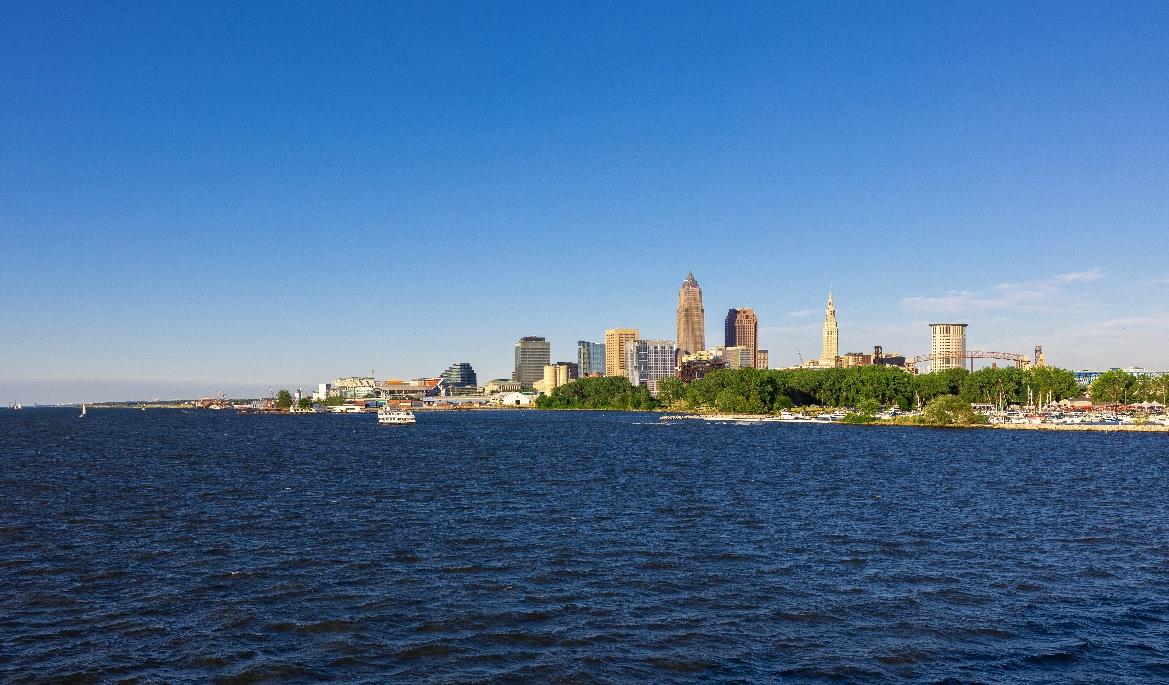
Cleveland, OH—They came to the lunch roundtable to discuss worldviews. They couldn’t stop talking about what they had in common: their love for nature and what it takes to spark local action.
At the 2026 Midwest Climate Summit, the Aldo Leopold Foundation offered a mini focus group titled “Shifting Worldviews for Water Protection and Habitat Restoration.” The Midwest Climate Summit is an annual event organized and hosted by the Midwest Climate Collaborative.
The participants’ introductions traced a map of the Great Lakes region:
The purpose of the focus group was to explore how leaders across the Midwest think about—and navigate—diverse perspectives on how the world works as they aim to accelerate nature-based solutions.
The Aldo Leopold Foundation prioritizes understanding the prevailing worldviews that shape our collective land ethic. During his career in the early 1900s, Aldo Leopold—known as “the father of wildlife ecology”—developed an ecological worldview that respects the interconnectedness of the physical environment and biotic communities, including humans. In “The Land Ethic,” the capstone essay in his classic book A Sand County Almanac, Leopold wrote, “The land ethic simply enlarges the boundaries of the community to include soil, waters, plants and animals, or collectively: the land.”
"We abuse land because we regard it as a commodity belonging to us. When we see land as a community to which we belong, we may begin to use it with love and respect." —Aldo Leopold
A land ethic is not a static set of rules, but rather an evolving product of social and intellectual change. For Leopold, an ethic only survives when it is rooted in the “minds of a thinking community,” meaning it must resonate with the diverse cultural, economic, and spiritual lenses through which people see the world. Leopold’s oft-repeated words speak to the importance of understanding worldviews: "We abuse land because we regard it as a commodity belonging to us. When we see land as a community to which we belong, we may begin to use it with love and respect."
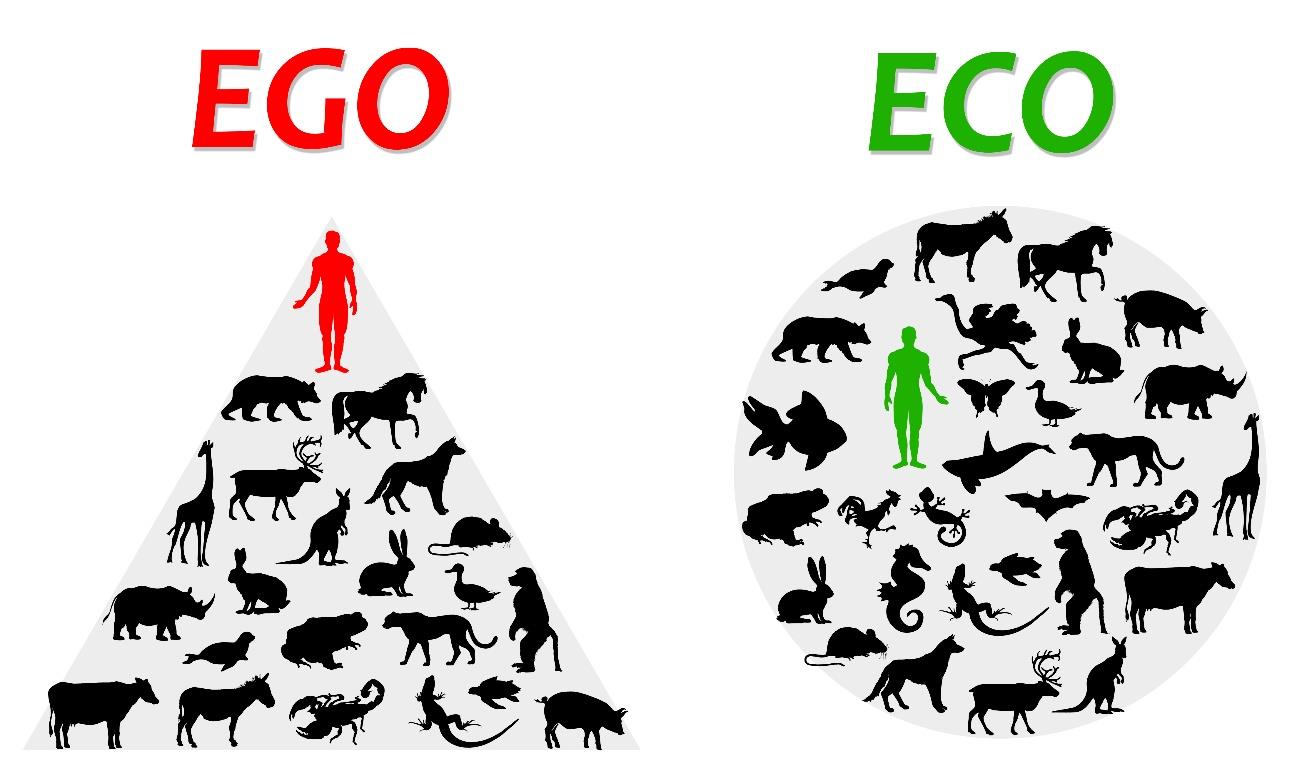
There are many ways of seeing the natural world, and the continuum between human-centered and nature-centered ethics can be a defining “fork in the road” for people. In other words, how one individual or the collective society answers this question can have major implications.
The focus group participants grappled with present-day competing worldviews. The consensus was that old dominant narratives still drive the script: humans own the land, and natural resources exist to be extracted. The prompt on the table was blunt: ego-centric or eco-centric? The nuanced answer was messier. It depends on how far out you’re willing to look.
“Stop telling ourselves we’re merely a part of nature. Start acting like we’re living in it…” —2026 focus group participant
“Eco feels truer,” one participant said. “But it’s our mess. We’ve already engineered the landscape.” The group didn’t believe we could simply step aside and let nature “reset.” Another participant named the tension at the center of modern life: “Humans don’t have a natural predator. We can choose hierarchy—or stewardship—and we don’t always choose well.” The sharpest line came from the biodiversity advocate who said, “Stop telling ourselves we’re merely part of nature. Start acting like we’re living in it—taking only what we need, recognizing ecosystems’ rights, and planning for a world that outlives us.”
When asked what the “unwritten future” looks like, the participants named elements of both resilience and retrenchment. One person pushed for solidarity—less “everyone for themselves,” and more communal capacity to absorb climate shocks. Others worried the country is sliding toward the opposite: greater disparities in wealth, gated comfort, and the ignoring of rules because the harm doesn’t scale back onto the people who caused it. Another participant called out marketing: we’re being sold an idealized green future, even as we build something less sustainable. And hovering over the conversation was a practical fear, expressed by one participant as follows: “In the race to fix everything fast—with technology and development—are we solving one problem and creating five more?”
Participants’ insights supported an understanding of worldviews toward nature being cultivated through culture, history, direct experiences, and emotional connection.
When asked what is one “seed of change” or an action we can take today, the participants offered a simple playbook:
The leaders saw local action as an antidote to anxiety—not heroic action, just the next step. They also returned to the idea of education, though not in a formal or credentialed sense. One participant described what they were talking about as “deeper education”: a shared civic practice rooted in values strong enough to require fewer rules and less enforcement.
“I’m talking about deeper education or a shared civic practice rooted in values strong enough to require fewer rules and less enforcement.” —2026 focus group participant
The focus group participants began by recognizing how deeply childhood experiences in nature shape us. Their hope lies in the unmistakable evidence that worldviews can change—and that a good place to begin is by changing our own relationship with the natural world.
The future may be unwritten, but the story is already underway. It is being shaped each day by what we conserve, what we restore, and the actions we choose to take—individually and together as neighbors, right where we live.
Links
This story includes commonly used jargon in conservation. To explore more, click on a concept below which will take you to the Jargon Buster Tool for an explanation and additional examples.
By sharing these stories, you help advance Aldo Leopold's Land Ethic, fostering awareness, inspiring stewardship, and strengthening the collective impact of conservation.


.svg)


The Aldo Leopold Foundation was founded in 1982 with a mission to foster the Land Ethic® through the legacy of Aldo Leopold, awakening an ecological conscience in people throughout the world.
"Land Ethic®" is a registered service mark of the Aldo Leopold Foundation, to protect against egregious and/or profane use.


Stay connected through our down-to-earth e-news.