


Nature needs YOUR land ethic!
Stay connected through our down-to-earth e-news.

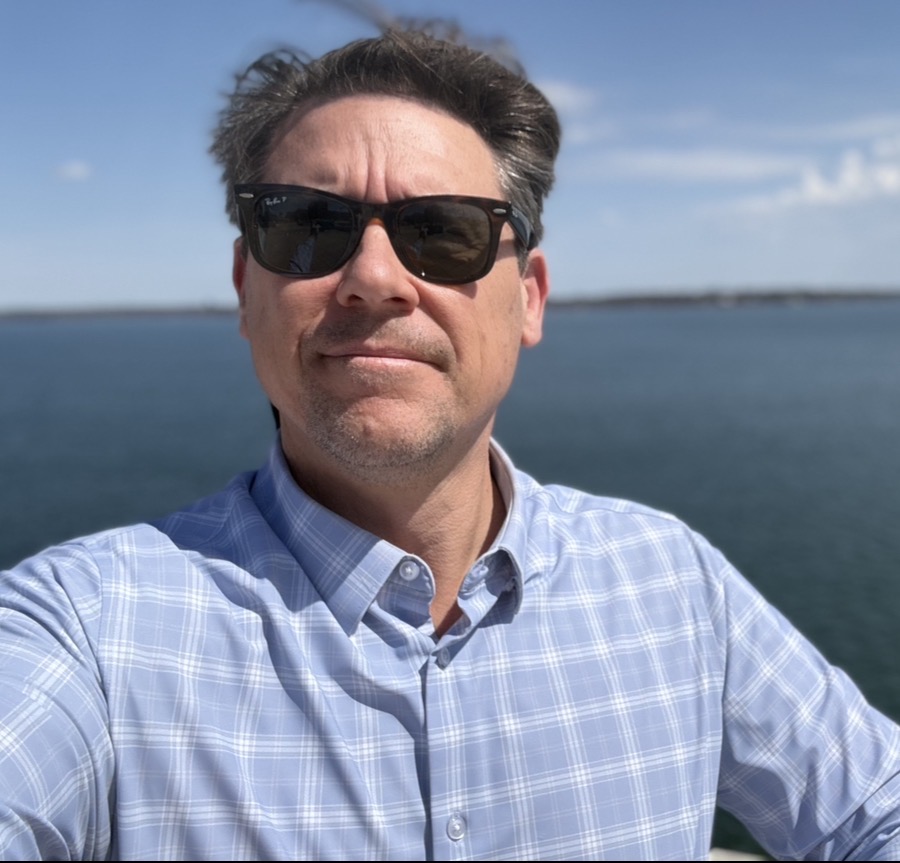
The opportunity to serve and be a part of the Leopold Foundation team changed the trajectory of my professional career and personal life.
Whether observing and learning how to work collaboratively with landowners and conservation partners, the exposure to the rewards and demands of land stewardship, the conversations at the Shack with Board members and conservation leaders, or creating new friendships, the experience as an intern served as a catalyst, propelling me to a career with Wisconsin DNR where I currently serve as the Director of Agriculture and Water Quality.
Of the many impactful experiences and conversations with the Foundation, no other impacted me as much as Nina Leopold Bradley’s encouragement to look beyond the buckthorn and pricky ash and consider a career advancing conservation policy. At the time it was a struggle to understand what Nina meant, let alone how to go about advancing conservation without the assistance of a brush saw.
Eventually, with the benefit of patience and persistence, the role Nina imagined for me twenty-five years ago has come to fruition. Today I have a fulfilling career advancing conservation policy that provides for my family and, perhaps the greatest gift of all, friendships that will last a lifetime.
Being a part of the Leopold Foundation team was unlike anything I had experienced previously and still stands out as the experience of a lifetime. The Foundation, in addition to providing me with exposure to active land management, also gave me the space to think and be curious.
The simple act of providing space to think and be both a witness to and participant in conversation with conservation leaders may sound to some like an experience while on sabbatical, and they may be right. For me, having never experienced a traditional academic sabbatical, the exposure to conservation thinkers influenced my understanding of the Land ethic and ability of partnerships to advance the Land ethic.
The concept of partnership is something Leopold spoke of in his 1939 essay, “The Farmer as a Conservationist.” Leopold posited that “when land does well for its owner, and the owner does well by his land; when both end up better by reason of their partnership, we have conservation.”
Today, building on the lessons learned and experiences of those introduced while with the Foundation, the Office of Agriculture and Water Quality creates space for scientists, conservationists, agriculture, and federal, state, and local government to partner on science and policies that promote healthy land and productive farms. Through partnerships the Office of Agriculture and Water Quality affirms a continuing responsibility to help farmers, to evaluate the efficacy of existing nonpoint water quality policy and supports science that preserves the productivity of farms.
As we continue forward, we carry with us a commitment to curiosity, partnerships, relationships and creating the space to embrace Leopold’s Legacy and the Land ethic.
The unique privilege of spending time and sharing meals with Nina Leopold Bradley stands apart as the most impactful experience during my time with the Foundation.
Spending time with Nina was anything but benign. Nina often welcomed us into her home to take a break from field work. Nina would invite us to share what we saw while working on the Leopold Reserve, where we saw it, what we thought about what we saw and documenting our findings in her phenology calendar. While phenology was how the conversations often started, conversations with Nina would drift to discussions about life, current events, a vision for the future, or the spoils from her immense and bountiful garden; the same garden that often served as our lunch.
It was in these moments that Nina made me feel like I was a part of something bigger than myself. I didn’t realize nor truly appreciate until years later how much time Nina invested in each of us. Nina helped shape my vision for how I could have an impact; a vision I continue to work in service of to this day, twenty-five years later.
Simply stated, the opportunity to spend time with Nina, to hear stories of her father, Aldo, and to be exposed to a vision for a better future anchored me to a lifelong commitment to service the Land ethic and Leopold’s Legacy.
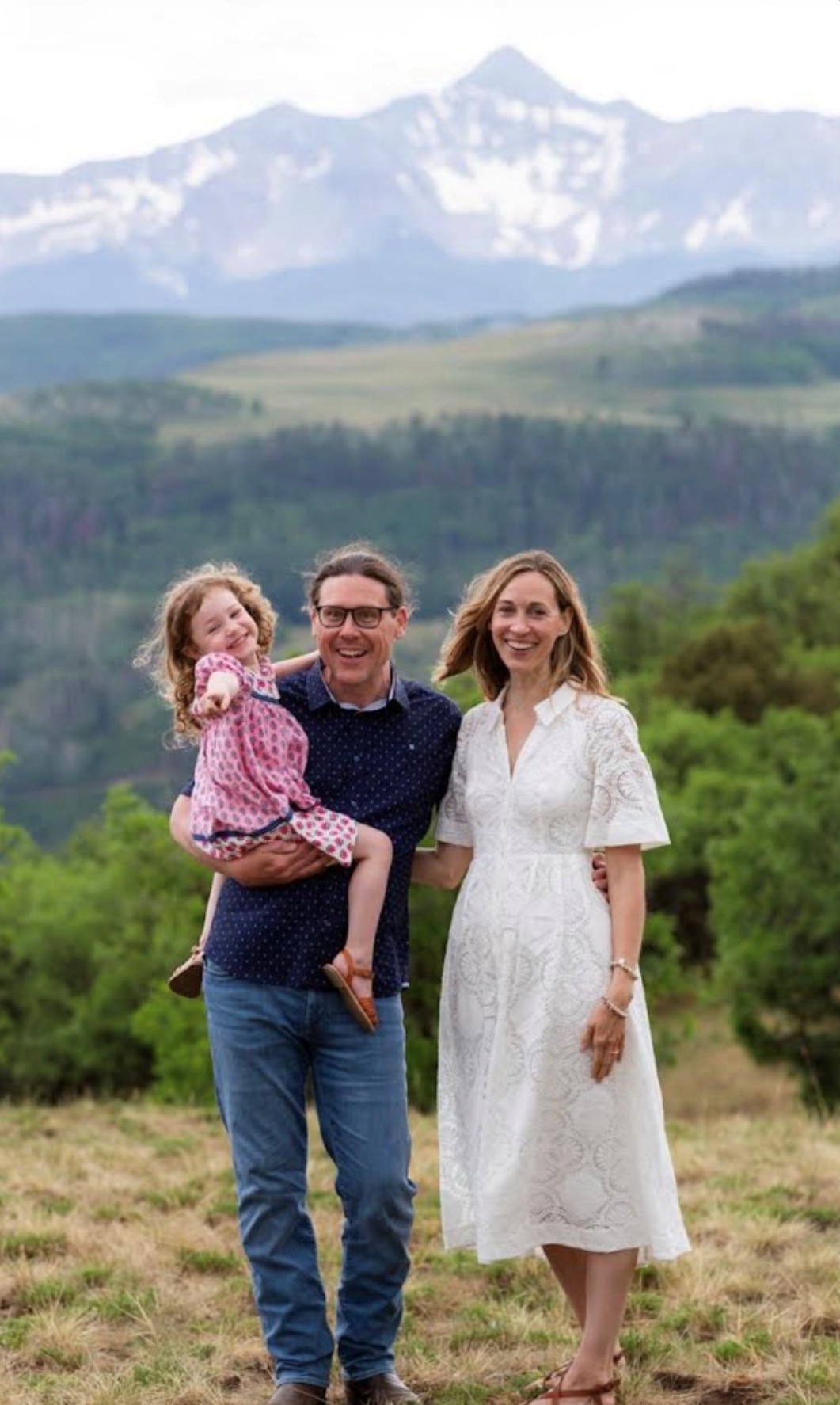
The time and the space Nina created for me personally was so impactful that my wife, Kaley, and I named our only daughter after her. Nina was a remarkable woman, and I am reminded of how grateful I am for the opportunity to spend time with her every morning when I say, “Good morning, Nina,” to my daughter.
The Leopold Foundation today is hardly recognizable when compared to the early 2000’s when I was an intern. The Foundation then was young and in the early stages of building capacity and a vision. The entire staff of the Foundation worked out of a one-room office in downtown Baraboo, nearly 10 miles from the Leopold Memorial Reserve, where the Foundation today calls home. We were frugal and finding our way. It was an exciting time.
In the time since the internship, I have managed to stay connected to the Foundation, and its efforts to contribute to a roadmap for the future. Participating in the Land ethic Leader Program served as a great vehicle to thread my experience as intern with my professional role to strengthen public and private partnerships to the benefit of healthy, productive land.
Today and arguably long into the future, The Leopold Center, and apart from any other historical landmark, is uniquely positioned to host and engage conservation leaders from all over the world who see land as a community to which they belong. It’s a place to think, to reflect, to feel inspired. It likely comes as no surprise that because the Foundation serves as both a destination and catalyst for change, in my capacity as Director of the Office of Agriculture and Water Quality, the Leopold Center serves as an annual destination for discussion and reflection with partners and staff.
Check out the extraordinary 2001 Leopold Foundation Fellows: Amy Martin, Steffan Freeman, Josh LaPointe


.svg)

The Aldo Leopold Foundation was founded in 1982 with a mission to foster the Land Ethic® through the legacy of Aldo Leopold, awakening an ecological conscience in people throughout the world.
"Land Ethic®" is a registered service mark of the Aldo Leopold Foundation, to protect against egregious and/or profane use.


Stay connected through our down-to-earth e-news.