


Nature needs YOUR land ethic!
Stay connected through our down-to-earth e-news.


Ecosystem Integrity, Leadership in Conservation, Species Conservation
In A Sand County Almanac, Aldo Leopold wrote of the “delights and dilemmas” of our relationship with the wild. Today, one of those dilemmas is urgent: many forests may look healthy but lack the natural disturbances—like fire and windthrow—that once created age diversity and habitat complexity that species like oaks need to regenerate and that wildlife needs to survive. Helping people understand that reality takes more than conversation. It often starts by taking them into forests. There, they can see the conditions, ask questions, and link visible changes to stewardship responsibilities. Protecting forests does not mean leaving them alone.
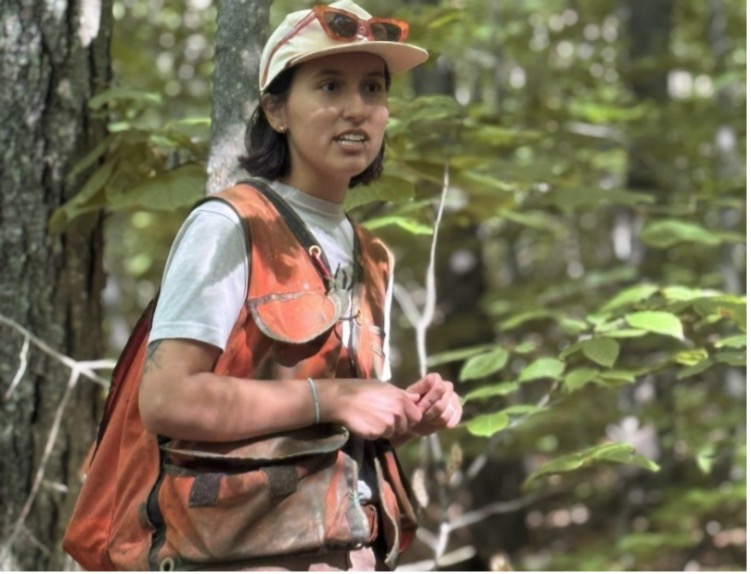
A Forester Shaped by a Treeless Island’s Community Spirit
Rutland, Vermont—On a windy day in the Green Mountain National Forest, certified forester Amelia Napper watched a group of cautious landowners climb the trail behind her. At Yale, Napper learned from foresters, ecologists, soil scientists, and conservation practitioners to read northern hardwood stands through maps, soils, and data. A remote Alaskan island taught her something vital: how to build community and face challenges.
Napper, age 28, grew up on Unalaska Island in the windy Aleutian chain. Here the only trees are a few Sitka Spruce planted more than 200 years ago by Russian fur traders. She remembers playing among the stunted spruce in the Sitka Spruce Park as a child. But to see a vast, diverse forest, she had to leave the islands.
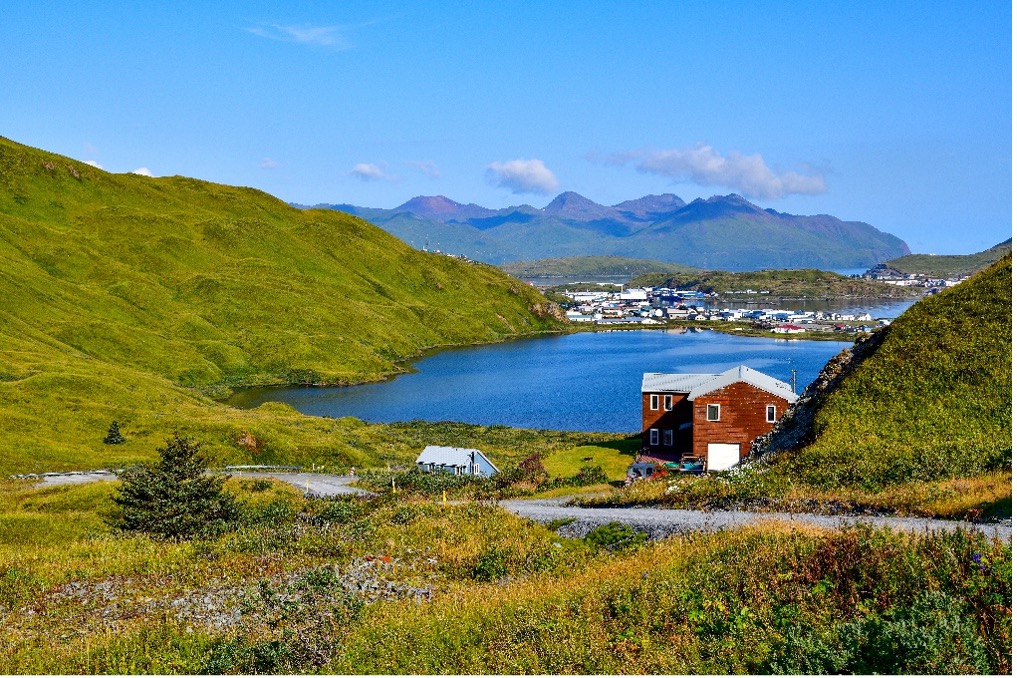
Today, Napper works as a public land forester for the RGS & AWS. She collaborates with the U.S. Forest Service and uses her knowledge to help others understand and accept important changes to the landscape. An important part of outreach is helping people see beyond the forest they know. They should understand the forces that shaped it over time.
The Forces that Once Managed Eastern Forests
Karl Malcolm, vice president of conservation, is another RGS & AWS leader focused on public engagement. Malcolm helps others see how we arrived here. He explains why so many forests need natural changes. These changes once created space for young trees and wildlife habitats.
What many visitors call untouched wilderness is often a forest lacking the forces that once shaped it. Malcolm says current forest conditions come into focus when people understand what is missing.
“When the first European settlers arrived on the East Coast, they did not arrive in some massive, homogeneous, pristine forest,” Malcolm said. “They found a complex system shaped by elk, bison, beavers, passenger pigeons and Indigenous fire.”
Today, the megafauna are missing from the landscape. The pigeons are extinct, and fire suppression has left the forest stuck in stagnant development. Malcolm argues that forests often require active care. This helps restore the diversity that once grew naturally.
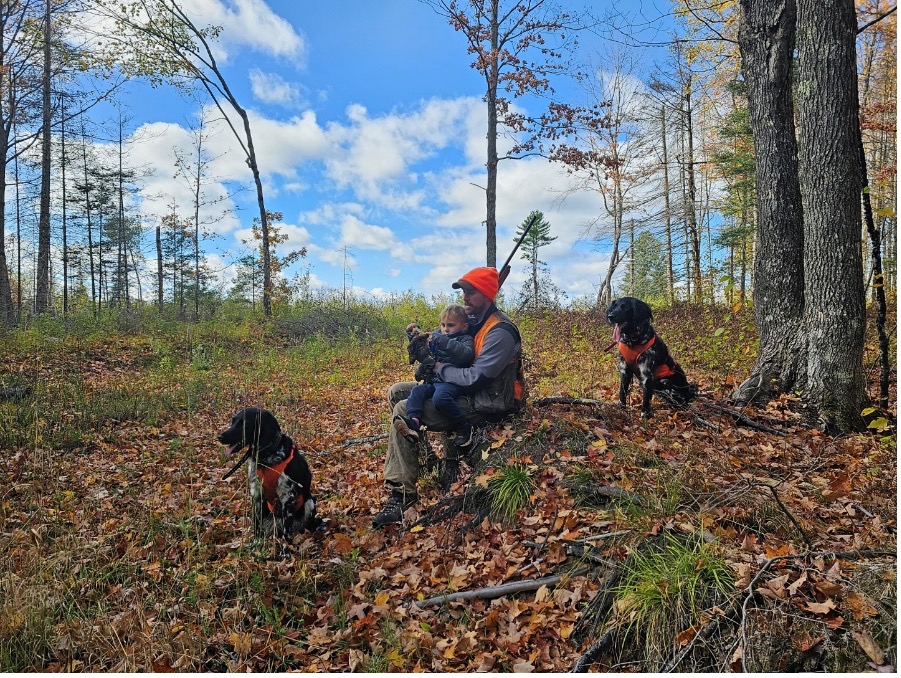
The Ruffed Grouse Society & American Woodcock Society is helping its 20,000 members and the public see why a hands-off approach to forest conservation isn’t enough. Without active care, ecosystems will keep losing the diverse habitats and resources that plants and animals rely on for survival. The broader history is what Napper brings to the forest.
“I’ve developed more of an understanding of the relationships that come into play with all of these ecosystems, and how we fit into that puzzle,” says Napper.
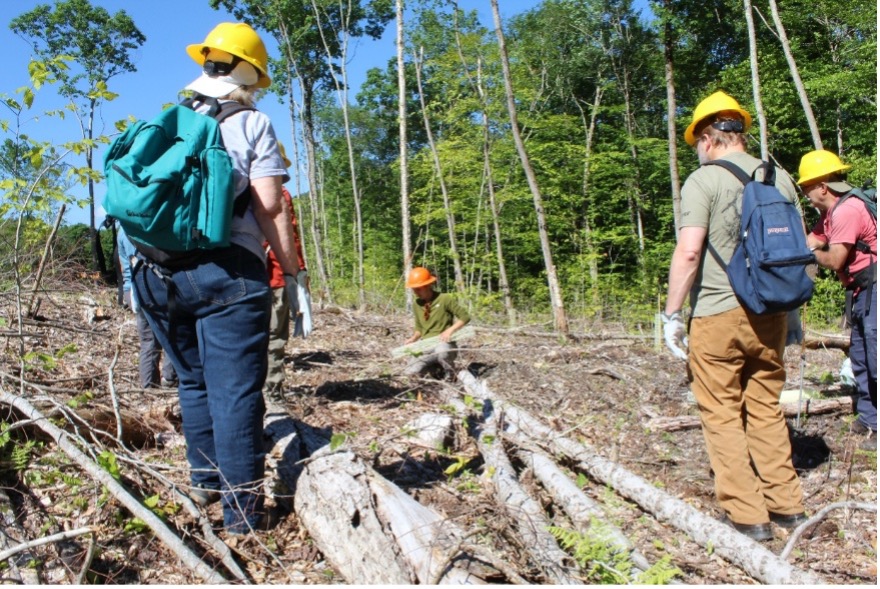
Back in the Green Mountain National Forest, the visiting group sees a healthy-looking forest. Napper’s trained eyes see a deadline. Beech leaf disease is spreading in Vermont. It threatens trees that feed deer, bears, forest and game birds like ruffed grouse. This impacts other wildlife too. Napper and other foresters want the public to see why opening the canopy for young oaks is important now. This helps keep the food web intact.
The challenge is not only ecological; it is social. Public land foresters want people to accept visible changes in valued forests. These changes include open canopies and young-growth habitats. Napper sees tackling skepticism as essential. It builds trust, allowing science to turn into real action.
“Public land is everyone’s land,” Napper said. Bringing people into the forest helps them understand how management decisions are made and experience their effects firsthand. “The more people we get out there knowing and learning about what’s happening, the better we’re able to share our stories."
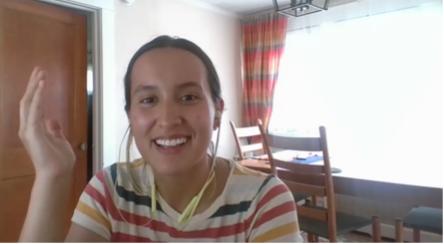
For Napper, public outreach clears up confusion about forest management. The best way to do this is right on the land. Forestry, she says, is not a machine that processes trees into lumber. People make decisions about the landscape. Foresters, botanists, soil scientists, and wildlife biologists are involved. They care deeply and think carefully about their choices. Bringing the public into the forest shows that care. It turns education into real understanding and, over time, builds stewardship. Napper believes forestry succeeds only when people understand why the forest must change.
Forestry succeeds only when people understand why the forest must change.
—Amelia Napper, public forester, RGS & AWS
The Why of the Work
Habitat for ruffed grouse and American woodcock, along with other forest-dwelling species, has declined because modern fire suppression and fewer timber harvests stop young forests from growing back. Foresters often face challenges with controlled burning due to policy, fragmented ownership patterns, and safety concerns. So they frequently use mechanical tools to mimic the natural disturbances these habitats need.
RGS & AWS partners with government agencies and private landowners. They aim to expand forest wildlife habitat using targeted management. RGS & AWS administers timber sales for the U.S. Forest Service. They then reinvest leftover funds into habitat improvements. These include prescribed fire, invasive plant removal, and better road-stream crossings to protect and restore aquatic species.
What we're ultimately trying to do here is find ways to redeem our responsibilities to the places that we love.
—Karl Malcolm, vice president of conservation, RGS & AWS
"Active stewardship—using prescribed fire and ecologically sound mechanical vegetation management to mimic those lost forces—is how we save these species," said Malcolm. "What we're ultimately trying to do here is find ways to redeem our responsibilities to the places that we love. It’s about helping leave these forest ecosystems in a state that's going to be better for wildlife and for people well into the future."
Napper’s fieldwork and Malcolm’s overview of forest history show the same thing: to care for forests, we need to be involved in their future. A land ethic in action is not passive. It encourages people to look past the short-term challenges of stewardship. Instead, they should focus on the renewal it can bring. This benefits young forests, wildlife, and the communities that rely on them. People understand better when welcomed into the forest. Healing our forests needs more than just letting them be or talking from afar. It calls for people who want to understand, support, and join in the efforts to help them thrive.
LINKS
This story includes commonly used jargon in conservation. To explore more, click on a concept below which will take you to the Jargon Buster Tool for an explanation and additional examples.
By sharing these stories, you help advance Aldo Leopold's Land Ethic, fostering awareness, inspiring stewardship, and strengthening the collective impact of conservation.


.svg)


The Aldo Leopold Foundation was founded in 1982 with a mission to foster the Land Ethic® through the legacy of Aldo Leopold, awakening an ecological conscience in people throughout the world.
"Land Ethic®" is a registered service mark of the Aldo Leopold Foundation, to protect against egregious and/or profane use.


Stay connected through our down-to-earth e-news.